
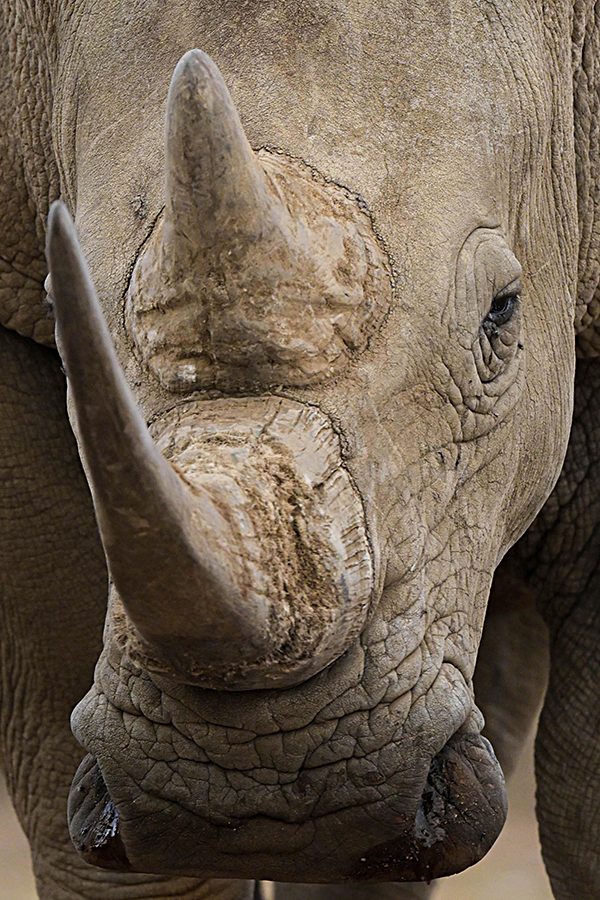
What is the difference between a black and white rhino?
The white rhino is the bigger of the two African varieties, with a larger head and two distinct horns. The front horn is usually much larger than the inner horn. Despite their names, there is no difference in the skin colour of white and black rhinos.
What is the population difference between black and white rhinos?
Despite white rhino populations worsening in recent years, due to high levels of poaching, they remain more numerous than black rhinos.
What are the current statistics for rhino poaching?
What leads people to rhino poaching?
Rhino horn is highly valued as a status symbol and used for traditional medicine in countries such as Vietnam and China – the largest markets for illegally trafficked rhino horn in the world. Read more about it here.
Who is protecting our wildlife?
Poaching of rhinos in South Africa has dramatically increased since 2010. Our government reserves have been hit the hardest. Rhino numbers in our iconic Kruger National Park plummeted from ±11 000 in 2009 to less than 2000 in 2022. Private game reserves play a vital role in the protection of our last remaining rhinos. Read what we're doing at Rockwood to help conserve the white rhino.
What challenges do private rhino owners face?
Private rhino conservations, like Rockwood, self-fund all the high-tech security, ranger costs, rhino feed, veterinary care and more needed to safeguard their animals. They hand-rear baby rhinos whose moms can’t look after them. They also pour money into research and repopulation efforts, with the hope of one day relocating rhinos into the wild or, at least, to wild reserves and parks. Read more about our challenges here.
How is income generated at Rockwood for rhino conservation?
Income generated via our resort (lodge) and ethical hunting safaris directly contributes to our conservation mission. This valuable income source helps fund the protection of our 430+ rhinos.
How can regulated trade in rhino horn support conservation?
Regulated rhino horn trade can support conservation by funding protection efforts, reducing illegal poaching through traceable supply, and incentivising private rhino stewardship – if strictly monitored to prevent abuse and ensure ethical practices.
How is hunting supporting conservation?
The care and security costs to protect rhinos are tremendously high. Offering very well-controlled, ethical fair chase hunting safaris to international hunters gives us access to funding required to continue with our conservation efforts.