
A Conservation Solution Rooted in Reality
KNOWLEDGE BEFORE EMOTION
We’ve spent over a decade protecting the 430+ rhinos in our care and had zero poaching losses. Our success is built on relentless dedication, innovation, and a deep understanding of what it takes to safeguard wildlife in today’s world.
But conservation is not just about protection – it's about sustainability.
Despite billions spent on anti-poaching efforts, the illicit rhino horn trade thrives, because prohibition alone cannot eliminate the black market demand. To ensure the long-term survival of rhinos, we must confront a controversial, yet critical, question: Could legal international rhino horn trading help save the species?
But conservation is not just about protection – it's about sustainability.
Despite billions spent on anti-poaching efforts, the illicit rhino horn trade thrives, because prohibition alone cannot eliminate the black market demand. To ensure the long-term survival of rhinos, we must confront a controversial, yet critical, question: Could legal international rhino horn trading help save the species?
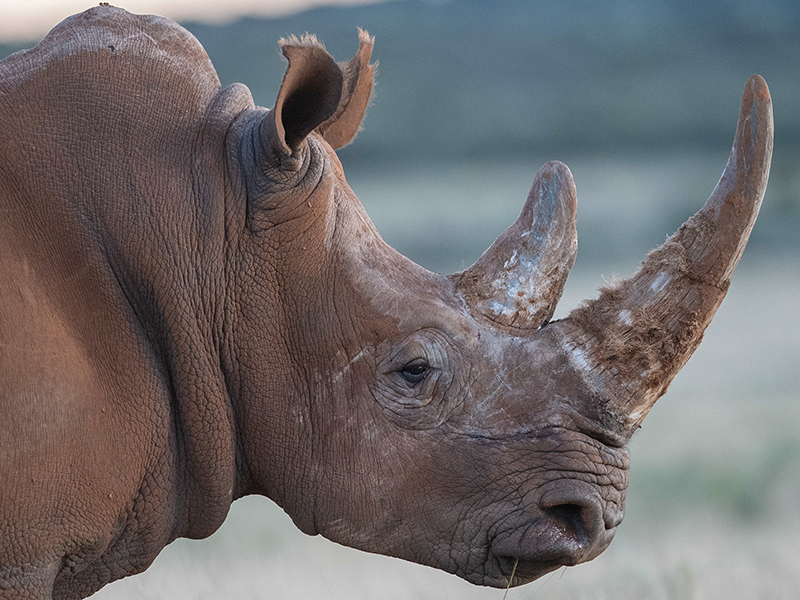

Let’s stop letting rhino horn fund criminals. Let’s start letting it fund conservation. Legalising regulated horn trade offers a pragmatic, positive alternative:
Undermining the Black Market
A legal, transparent supply chain would reduce the profitability of illegal trade, making poaching less attractive.
- It creates a legal market that will untimely undermine poaching.
- Consumers can buy from ethical, traceable sources.
- Most “rhino horn” sold illegally is fake (often being buffalo horn).
- Legal trade offers authenticity, safety, and transparency
Valuing Live Rhinos
When rhinos become economically valuable alive, their protection becomes a priority for landowners and governments.
- Horns regrow naturally and can repeatedly be harvested (non-lethally, like wool from sheep), without harming the animal.
- Financial incentives will make rhinos desirable again.
- Farmers and reserves will invest in breeding.
- More rhinos mean stronger populations and genetic diversity.
- Rhinos become more valuable alive than dead.
Funding Conservation
Legal trade would help private rhino owners cover the immense costs of rhino care – ensuring their reserves remain viable.
- Revenue from horn sales could be reinvested into feeding, security, veterinary care, breeding programs, and infrastructure to directly aid rhino conservation.
- Local communities can become stakeholders in conservation – benefiting directly from the protection of wildlife.
- Rhinos require specific habitats – grasslands, water sources, and space. Conservation-driven land use will restore ecosystems.
Healthy rhino habitat supports countless other species.
Alleviating Poverty
Legal trade will drive rural economic growth.
- Rhino farming, security, tourism, and horn processing will generate employment in regions where opportunities are scarce.
- Communities become empowered through wildlife stewardship.
Ethics & Regulation
BENEFITS OF LEGAL TRADE
Critics fear that legal trade might encourage poaching. However, with strict international oversight, biometric tracking, and certified horn origin systems, we can ensure transparency and accountability. The goal is not to commodify rhinos, but to create a system where conservation pays for itself.
Most South African rhinos live on privately owned reserves and farms. Unlike national parks, which benefit from state funding and tourism, private reserves must be financially sustainable.
Traditional revenue streams, like tourism, trophy hunting, and live animal sales, are no longer enough.
At Rockwood Conservation, we are passionate advocates for the immediate launch of a legal and regulated international trade in ethically trimmed rhino horn.
This is not a radical idea. It’s a practical, science-backed strategy to stop poaching, save rhinos, empower consumers to support conservation, and redirect horn revenues from criminal syndicates to conservationists and governments.
Let’s move beyond emotion and ideology. Let’s build a future where rhinos thrive – not just in sanctuaries, but in the wild, supported by communities who see them as a living legacy worth protecting.
Legal rhino horn trade is not about commodifying wildlife. It’s about creating a system where conservation is economically sustainable, ethically sound, and socially empowering.
Most South African rhinos live on privately owned reserves and farms. Unlike national parks, which benefit from state funding and tourism, private reserves must be financially sustainable.
Traditional revenue streams, like tourism, trophy hunting, and live animal sales, are no longer enough.
At Rockwood Conservation, we are passionate advocates for the immediate launch of a legal and regulated international trade in ethically trimmed rhino horn.
This is not a radical idea. It’s a practical, science-backed strategy to stop poaching, save rhinos, empower consumers to support conservation, and redirect horn revenues from criminal syndicates to conservationists and governments.
Let’s move beyond emotion and ideology. Let’s build a future where rhinos thrive – not just in sanctuaries, but in the wild, supported by communities who see them as a living legacy worth protecting.
Legal rhino horn trade is not about commodifying wildlife. It’s about creating a system where conservation is economically sustainable, ethically sound, and socially empowering.
TRIMMING A NECESSITY
A rhino’s horn is a weapon used in fights with other rhinos – killing each other more frequently than any other African mammal. This aggression is natural, but undermines conservation efforts. To protect rhinos from each other and from poachers, horn trimming has become standard practice.
Rhino horn is made of keratin, the same substance as human fingernails. Only the dead portion of the horn is trimmed, under sedation by licensed wildlife veterinarians. The live base contains nerves and blood vessels, and is never touched. Rhinos feel no pain during the horn trimming processs, and research shows that the stress of darting is minimal and short-lived.
The horn regrows within four years, and with an average lifespan of 35 years, a rhino may be trimmed a dozen times – each time increasing safety and reducing poaching risk. This practice has resulted in a massive stockpile of horn, currently rotting in storage. That horn could rather be sold to fund conservation.
Rhino horn is made of keratin, the same substance as human fingernails. Only the dead portion of the horn is trimmed, under sedation by licensed wildlife veterinarians. The live base contains nerves and blood vessels, and is never touched. Rhinos feel no pain during the horn trimming processs, and research shows that the stress of darting is minimal and short-lived.
The horn regrows within four years, and with an average lifespan of 35 years, a rhino may be trimmed a dozen times – each time increasing safety and reducing poaching risk. This practice has resulted in a massive stockpile of horn, currently rotting in storage. That horn could rather be sold to fund conservation.
